
Smart rings are not medical devices — and why that distinction changes how you should use your data
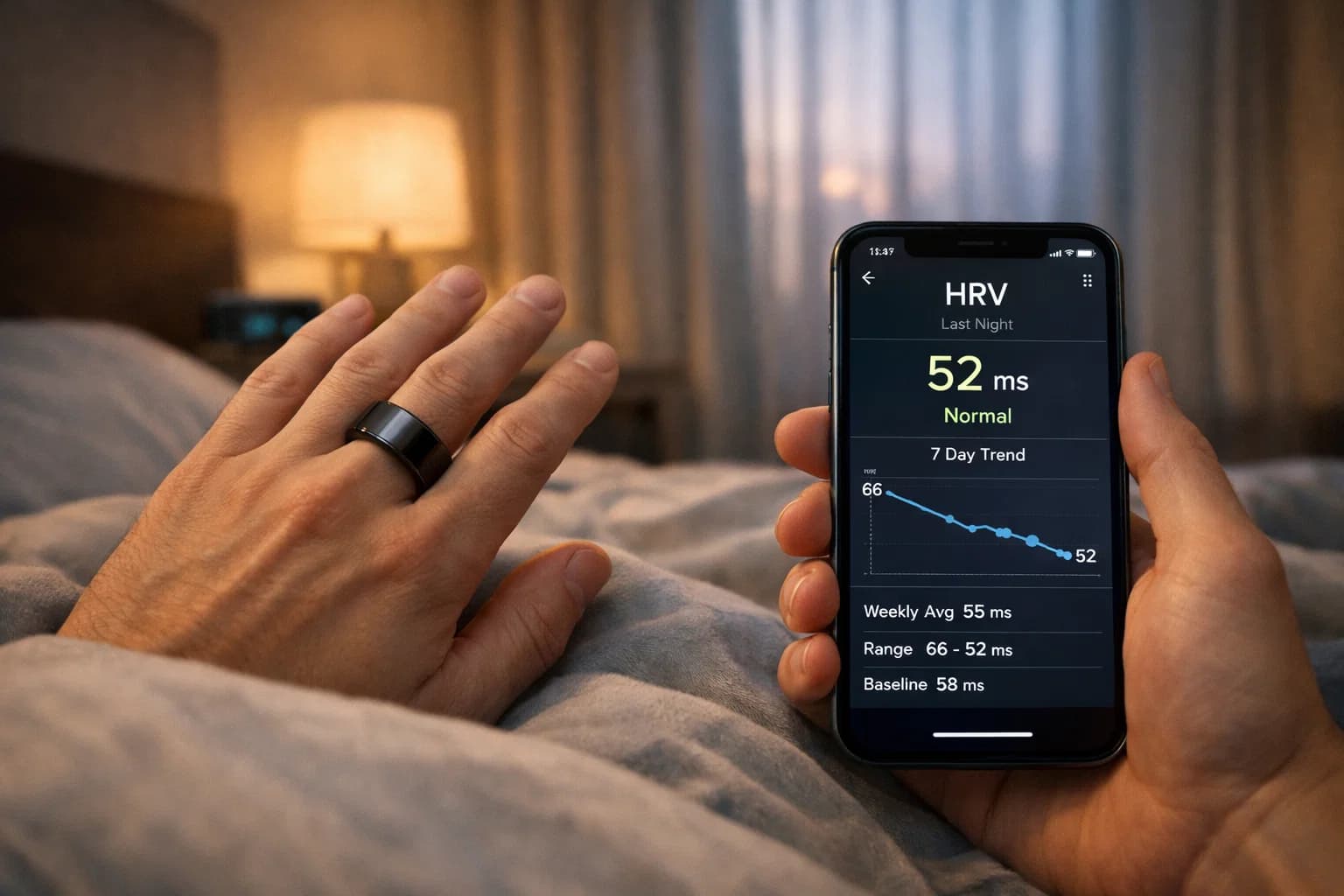
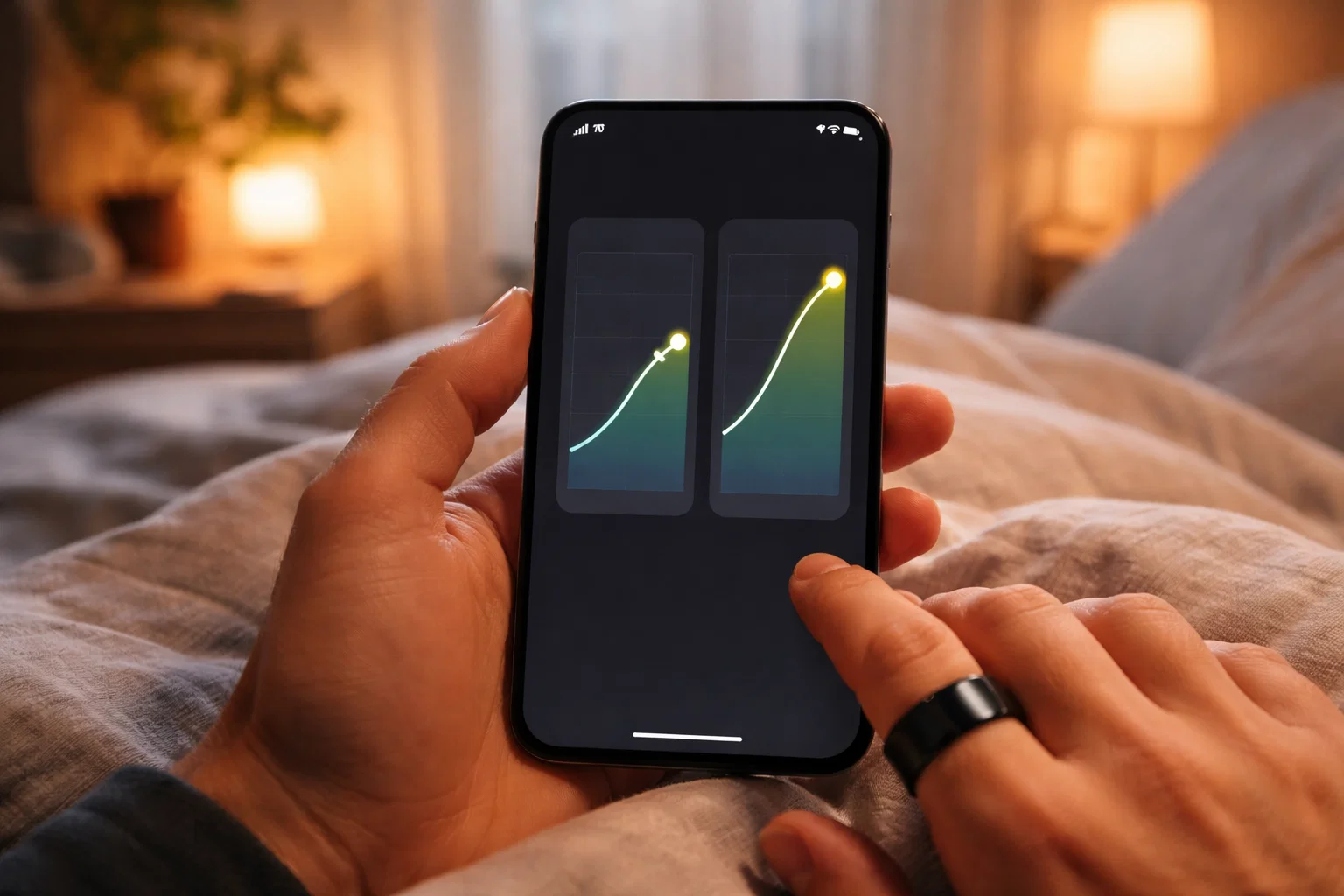
The first time I saw my HRV drop by almost 30% overnight on my smart ring, I assumed something was wrong. I felt fine. No fever. No obvious stress. The ring flagged “poor recovery” in bright colors. A week later, the numbers bounced back without me changing anything.
That moment taught me a simple rule I still follow: smart ring data is not a diagnosis — it’s a pattern signal.
And that’s exactly why smart rings are not medical devices. Not legally. Not technically. And not physiologically.
This isn’t a weakness. It’s the entire point of how they should be used.
What “not a medical device” actually means in practice
Medical devices operate under strict regulatory frameworks. They must measure within defined clinical error margins and prove diagnostic reliability.
Smart rings don’t.
Instead, they rely on:
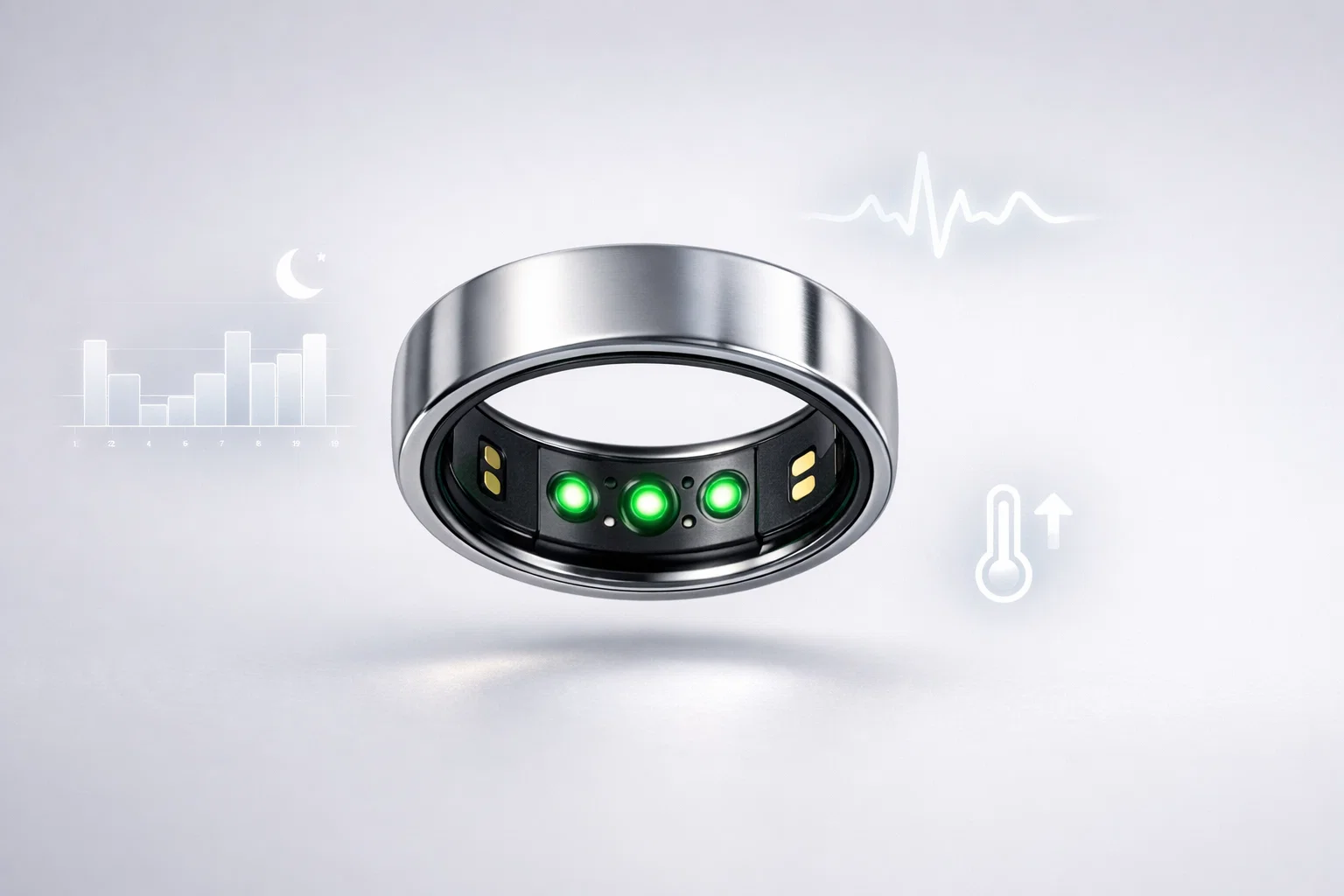
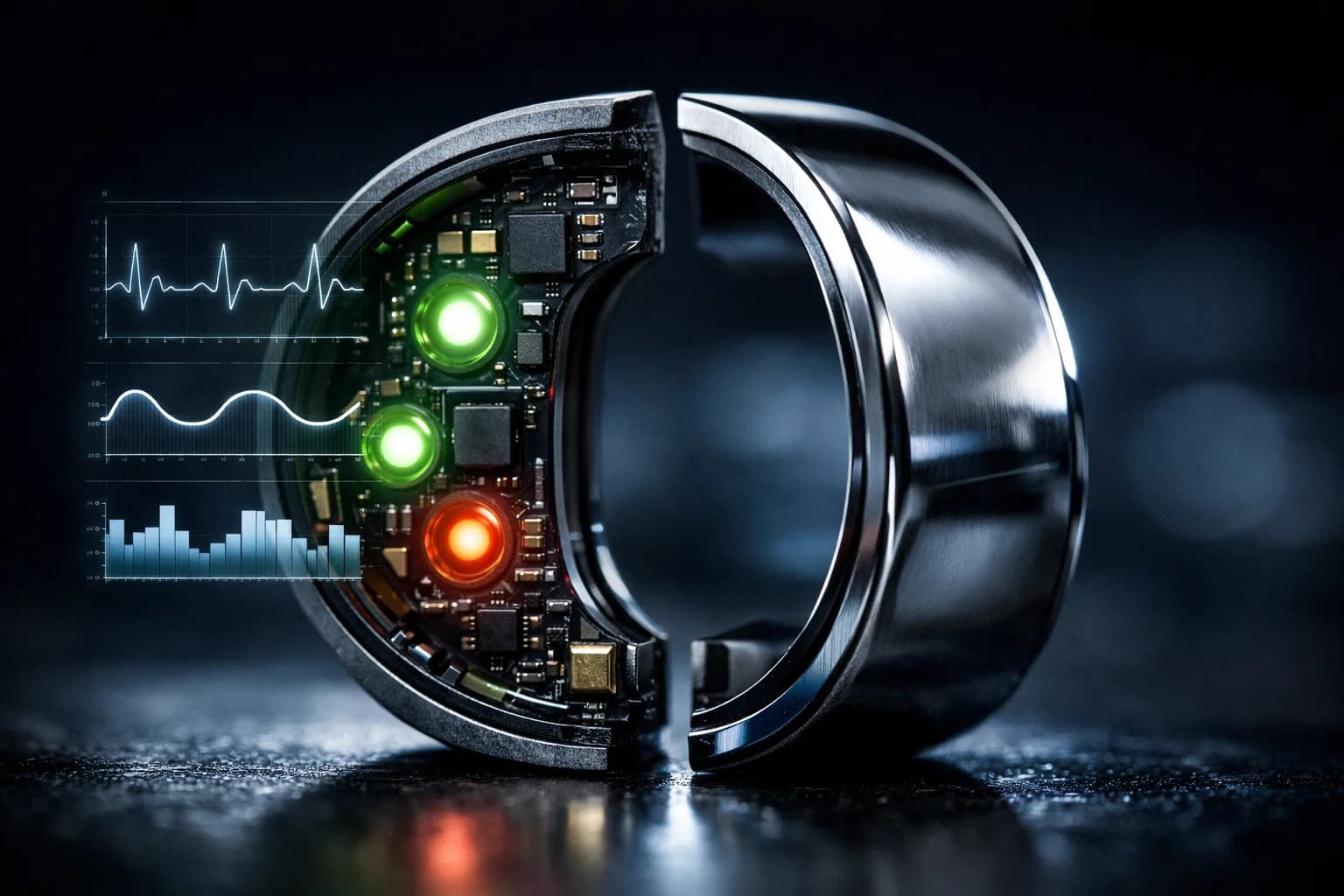
- PPG sensors (photoplethysmography) — light-based heart signal detection
- Skin temperature deviation — relative shifts, not absolute body temperature
- Motion inference — interpreting sleep stages and activity patterns
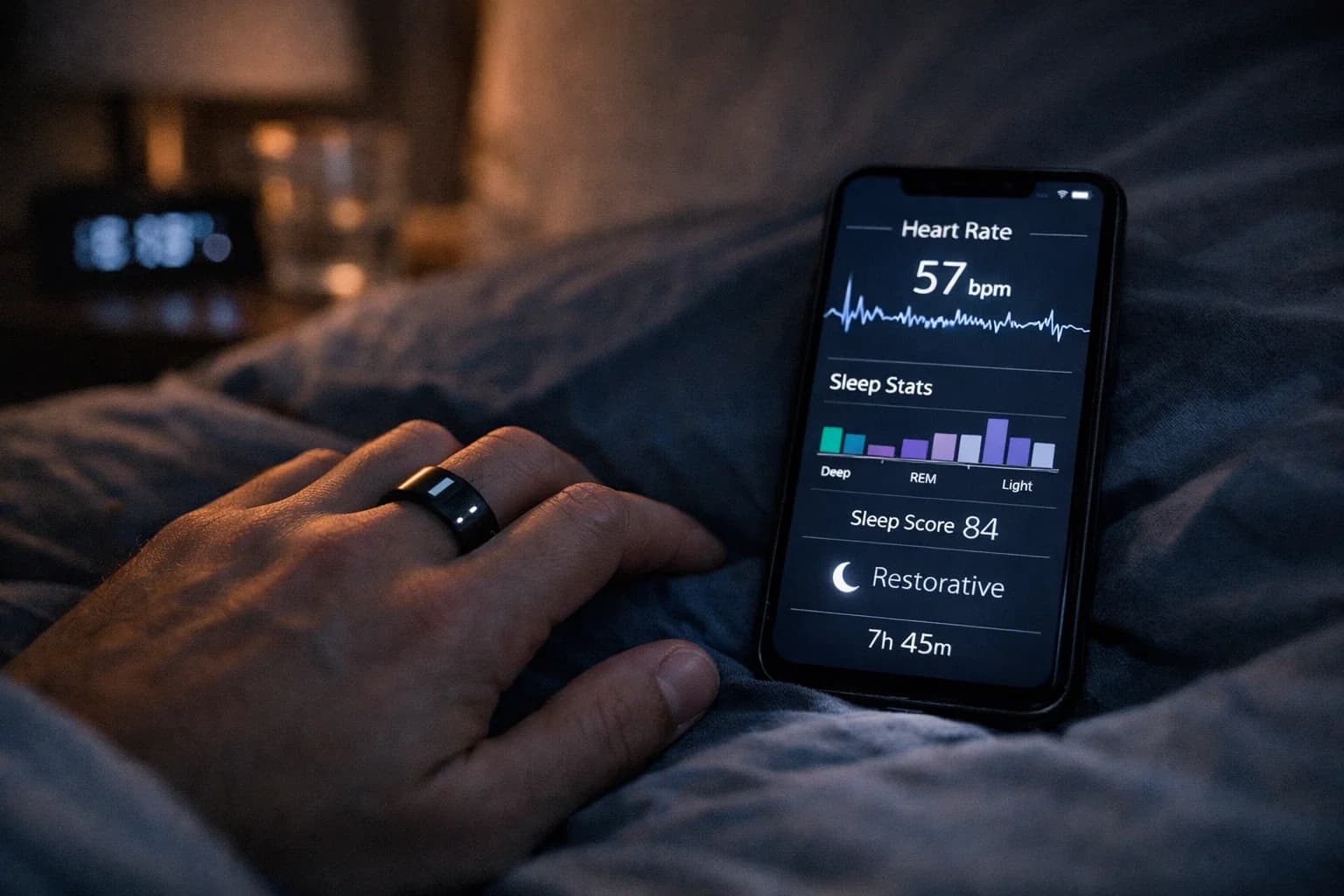
PPG works by shining light into your skin and analyzing how blood flow changes with each heartbeat. It’s good at capturing trends. It’s sensitive to movement, skin tone, pressure, and temperature.
That’s why two rings can give slightly different heart rate or HRV numbers — yet still show the same fatigue pattern over time.
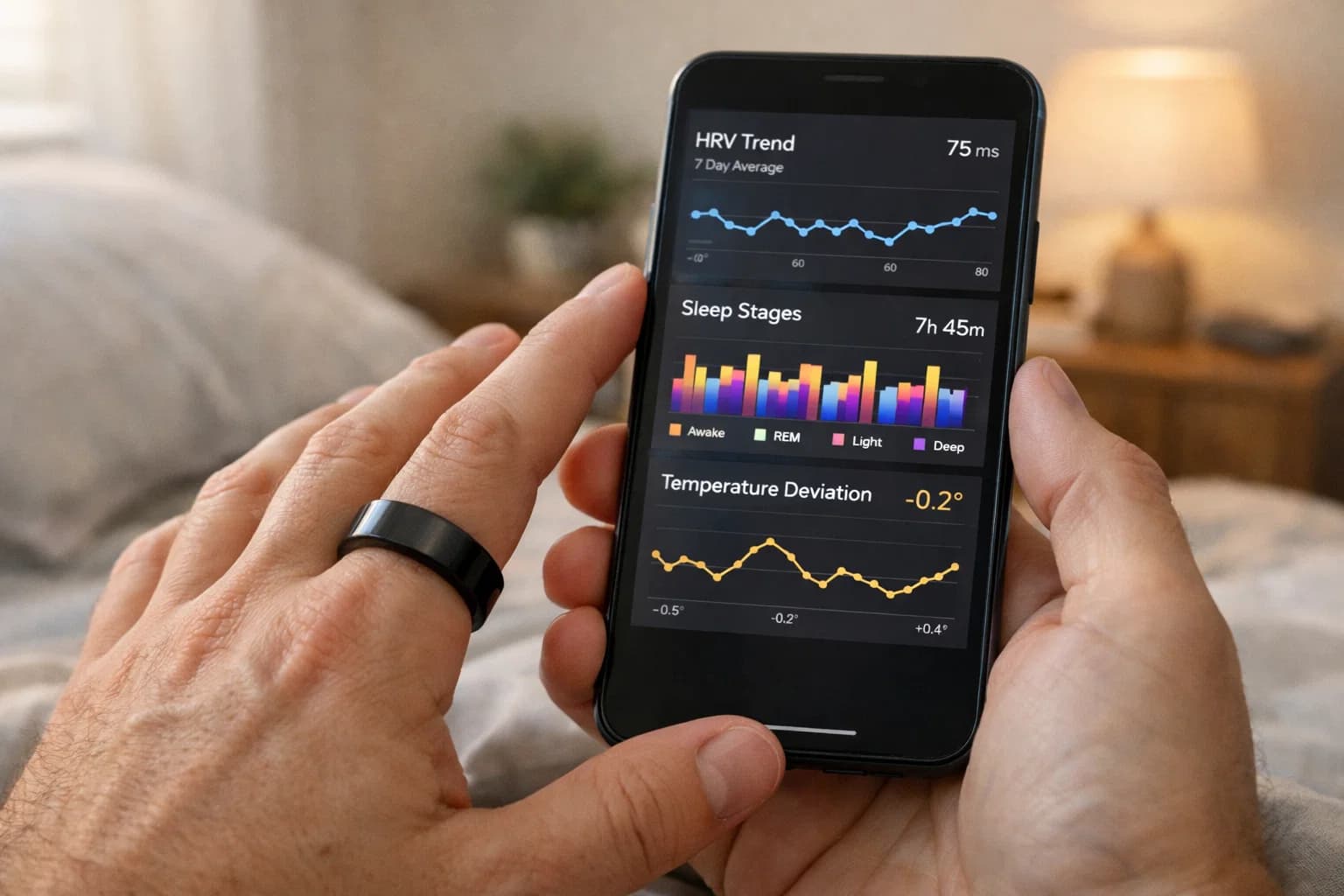
HRV (often measured as RMSSD) is simply the variability between heartbeats. Higher usually reflects better nervous system recovery. Lower often shows stress, illness, or poor sleep. But the trend matters more than the daily value.
This is pattern detection — not clinical measurement.
Where people misinterpret smart ring data
I see the same mistake repeatedly.
Someone notices:
- Low HRV for two days
- Higher resting heart rate one night
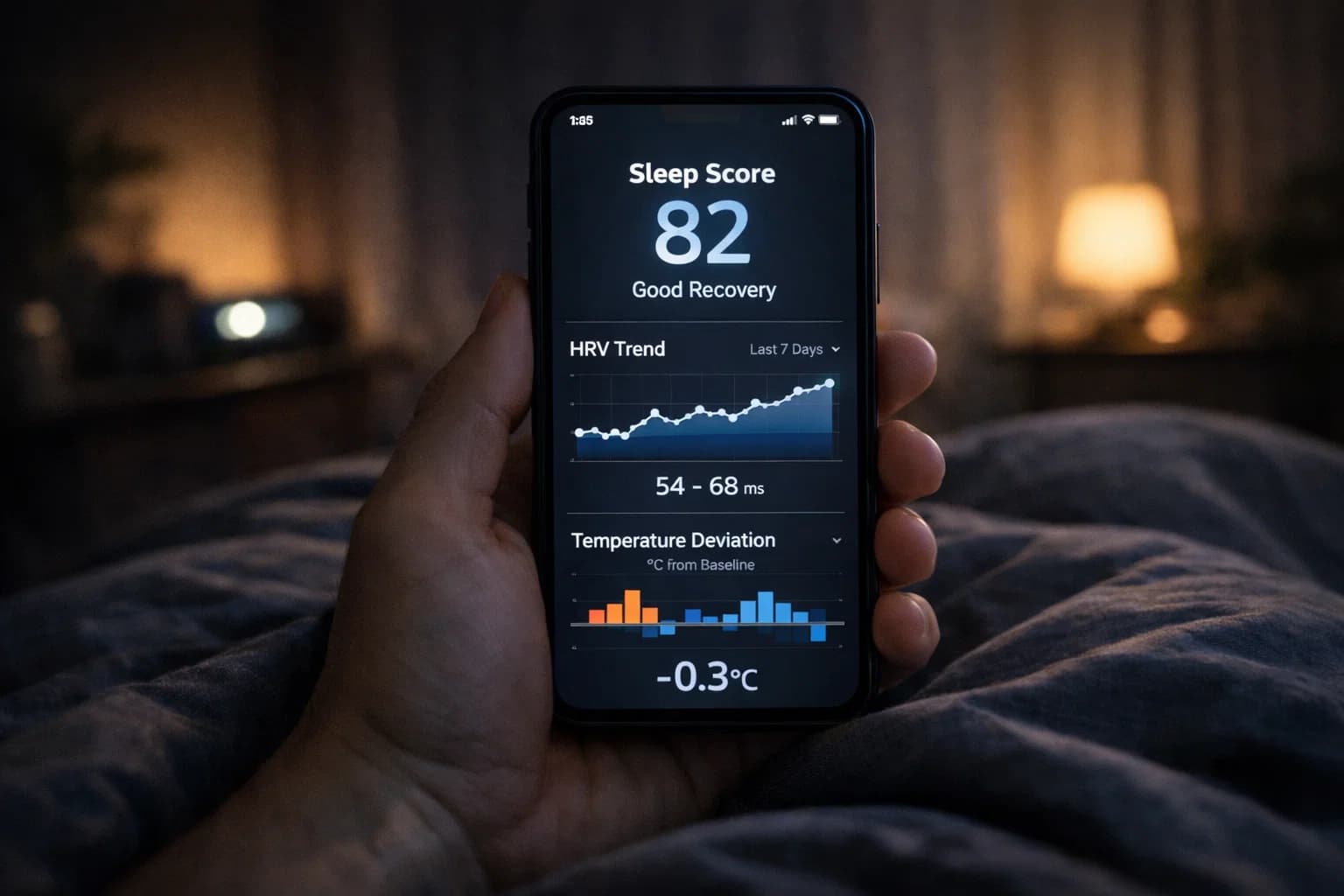
- A temperature spike of +0.4°C
And immediately jumps to health conclusions.
In my own logs, I’ve seen all three happen simply from:
- Late dinners
- Alcohol
- Poor sleep timing disrupting circadian rhythm
Circadian rhythm is your internal biological clock regulating sleep, hormones, and body temperature. When it shifts — even slightly — your ring reacts before you consciously feel it.
That doesn’t mean something is “wrong.”
It means your physiology adjusted.
Data is not the answer. It’s a prompt to ask better questions of your body.
Why trend consistency matters more than raw accuracy
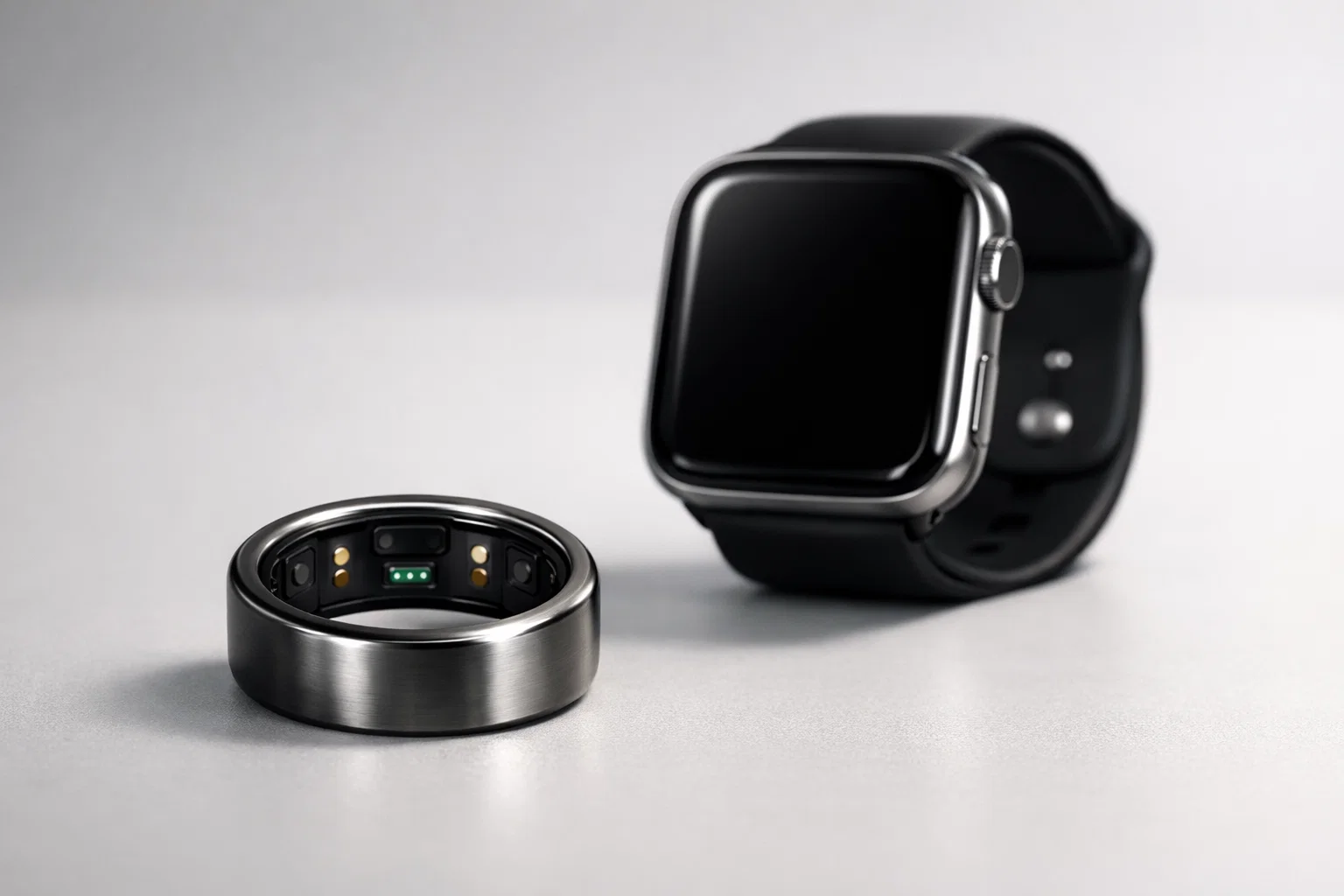
When I tested recovery trends side by side in Oura Ring Gen 4 vs Ultrahuman Ring Air, the daily HRV values differed slightly.
But the weekly fatigue curves aligned almost perfectly.
Both rings caught:
- The same recovery dips after intense training
- The same HRV rebound after rest days
- The same sleep disruption when my schedule shifted
That’s what smart rings are built for — detecting directional change.
For a $300–$500 wearable, this level of consistency is reasonable.
If these were $5,000 clinical monitors, we’d expect tighter margins. But in consumer physiology tools, pattern reliability is the real value.
The pricing context most people ignore
Accuracy criticism only makes sense when tied to cost.
A 3–5% heart rate deviation:
- Acceptable in a $250–$400 ring
- Problematic in hospital-grade equipment
Most smart rings sit in the mid-hundreds range.
They offer continuous passive monitoring — something even many medical devices don’t provide outside clinics.
You’re trading absolute precision for long-term trend visibility.
That tradeoff is intentional.
Why regulatory approval would actually break the product experience
If smart rings were treated as medical devices, several things would change:
- Slower firmware updates
- Limited algorithm iteration
- Higher prices
- More conservative data interpretation
The constant improvements you see — sleep staging tweaks, recovery scoring refinements, temperature baseline learning — happen precisely because they aren’t locked into medical certification cycles.
Over the last year alone, I’ve watched sleep detection become noticeably better across multiple platforms through software updates.
This flexibility is why the ecosystem evolves so fast.
How I personally use smart ring data (and how I don’t)
I don’t use my rings to “check health.”
I use them to spot physiological drift.
My typical workflow looks like:
- Watch HRV trend over 7–10 days
- Note resting heart rate shifts
- Track temperature deviation around heavy training or travel
When multiple signals move together, I adjust:
- Sleep timing
- Training intensity
- Stress load
Single spikes don’t concern me.
Consistent patterns do.
This approach aligns with what smart rings are technically capable of.
If you’re new: understand the sensor limits first
Before trusting any metric, I always recommend reading Smart Ring 101: what it is and how it works.
Once you understand how PPG sensors, motion inference, and baseline modeling function, most “inaccuracies” suddenly make sense.
You start interpreting data as physiological context — not absolute truth.
Tools help translate patterns into decisions
Battery life, sizing, and comfort all affect data quality indirectly.
A loose ring produces noisier PPG readings. Poor charging habits lead to missing nights of data.
I often use the ring size calculator when recommending rings to friends, simply to avoid fit-related tracking issues.
Good data starts with consistent wear.
The real danger isn’t “inaccurate data” — it’s overinterpretation
Most anxiety around smart rings comes from treating consumer physiology tools like diagnostic instruments.
Low HRV one morning is normal.
Temperature shifts within ±0.5°C are common.
Sleep staging will never be EEG-level precise.
What matters:
- Long-term direction
- Repeated deviations
- Multiple metrics moving together
When used this way, smart rings become powerful awareness tools.
Not medical devices.
Not crystal balls.
Just continuous physiological mirrors.
My bottom line after years of wearing them
Smart rings aren’t failing as health trackers because they’re not medical devices.
They’re succeeding because they aren’t trying to be.
They give you:
- Early pattern shifts
- Recovery trends
- Behavior feedback loops
They don’t give diagnoses.
And that’s exactly how they should be used.
Data is not the answer. It’s a prompt to ask better questions of your body.