
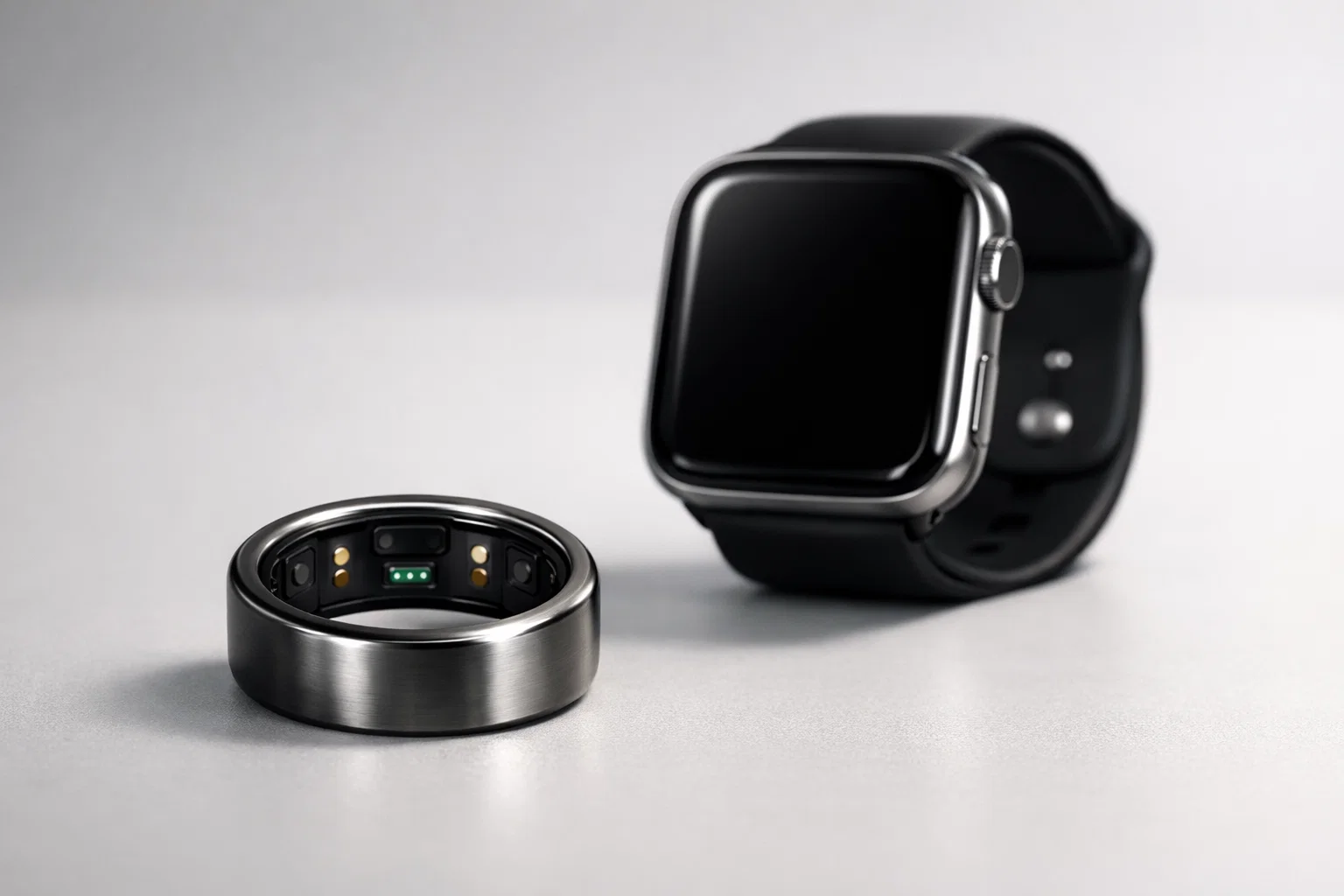
Smart Ring vs Smartwatch: Which One Should You Actually Wear in 2026?
A few years ago, smart rings were something only biohackers and startup founders wore. In 2026, they are everywhere. Athletes use them to manage recovery. Parents use them to fix their sleep. Even doctors are starting to take the data seriously.
At the same time, smartwatches have evolved into full-blown medical hubs. ECG, blood oxygen, training load, maps, payments, and even onboard AI coaching. They do almost everything.
So the real question is no longer “Which one is better?”
It is “Which one fits your life?”
Let’s break it down honestly. No hype. No marketing.
Head-to-Head: Smart Ring vs Smartwatch
| Feature | Smartwatch | Smart Ring |
|---|---|---|
| Primary goal | Real-time performance and apps | Long-term recovery and sleep |
| Battery life | 1–3 days | 5–12 days |
| Comfort | Bulky, noticeable at night | Invisible, 24/7 wear |
| Workout data | GPS, pace, live HR zones | General strain and movement |
| Screen | Yes | No |
This is not a competition. It is two completely different philosophies.
The Workout Gap: Where Watches Still Rule
If you are a runner, cyclist, or serious lifter, a ring alone will frustrate you. In 2026, rings have improved, but they still lack true GPS, live heart rate zones, and on-wrist coaching.
And let’s be practical. Metal rings and heavy barbells do not mix. You risk scratching your ring or even injuring your finger.
Choosing a ring for sports? Read our smart ring accuracy guide to see how motion affects data quality
Sleep and Recovery: The Ring’s Home Turf
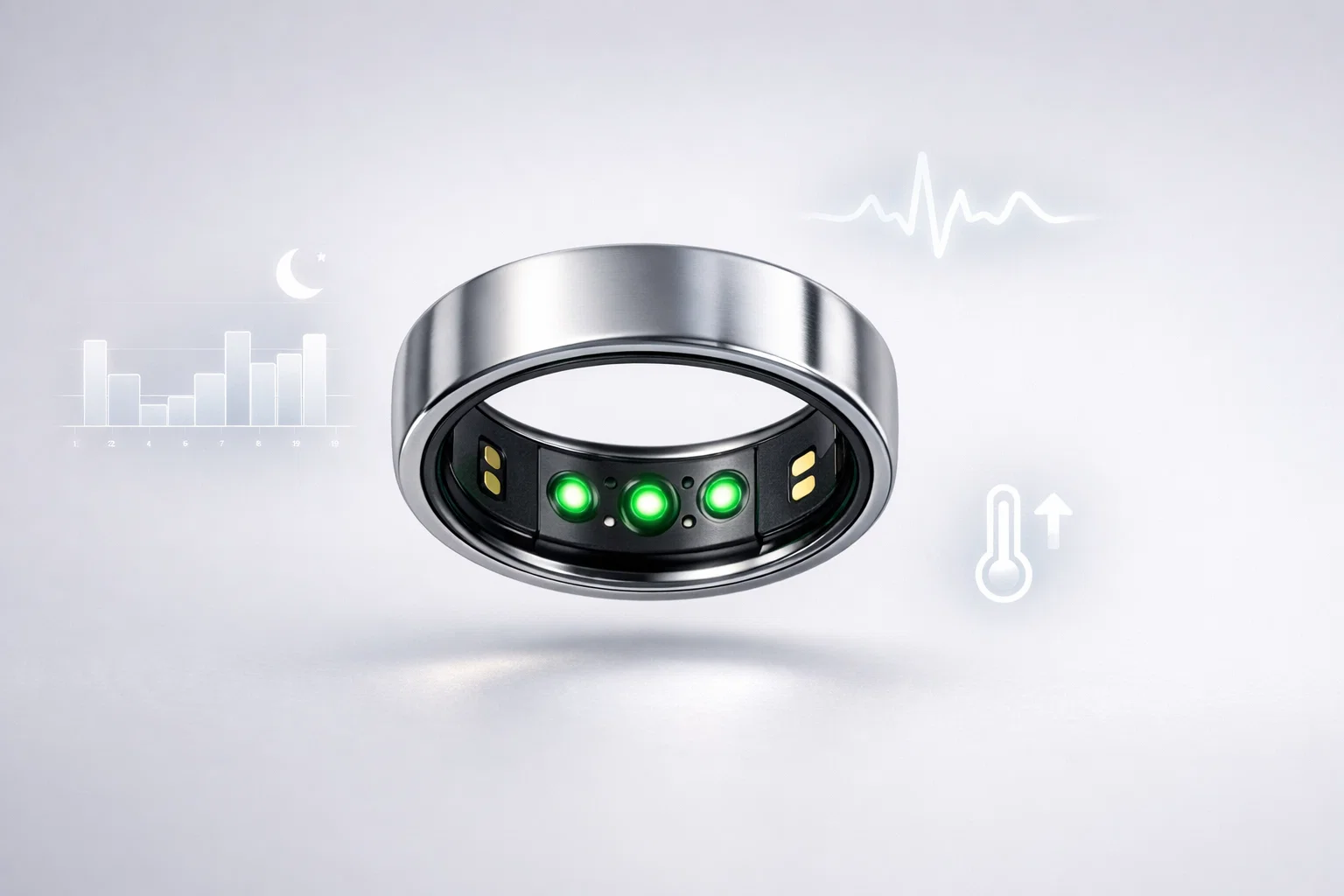
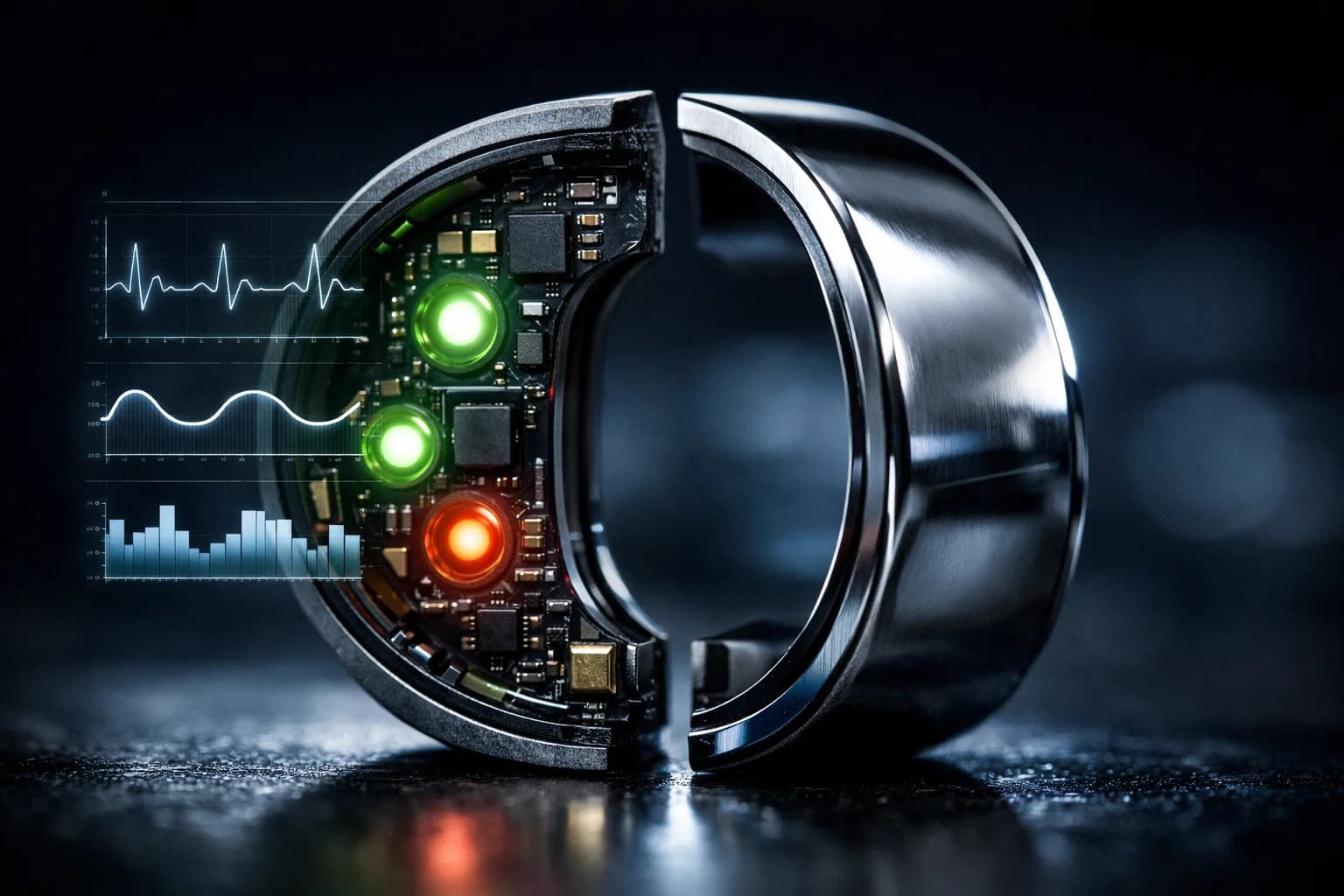
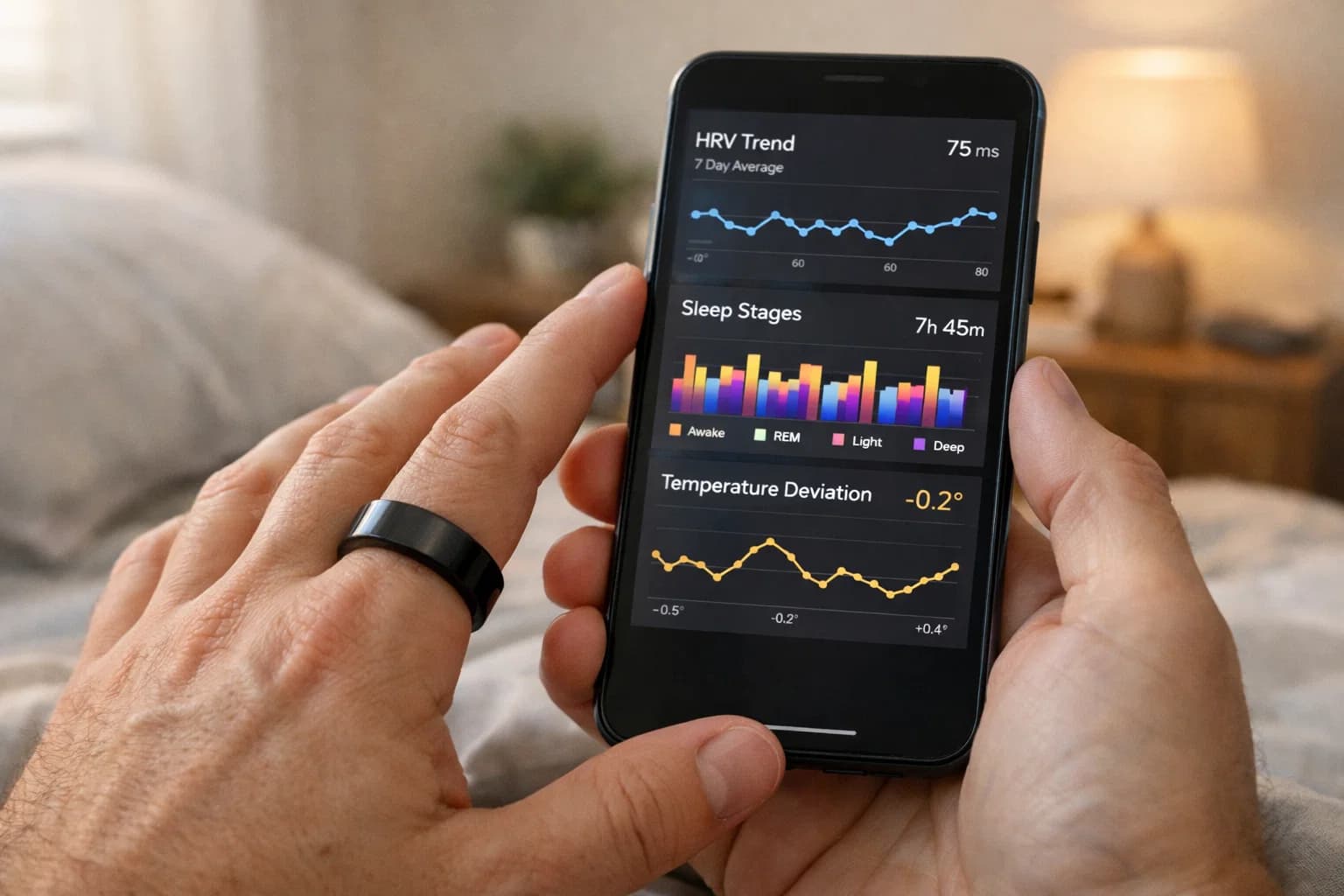
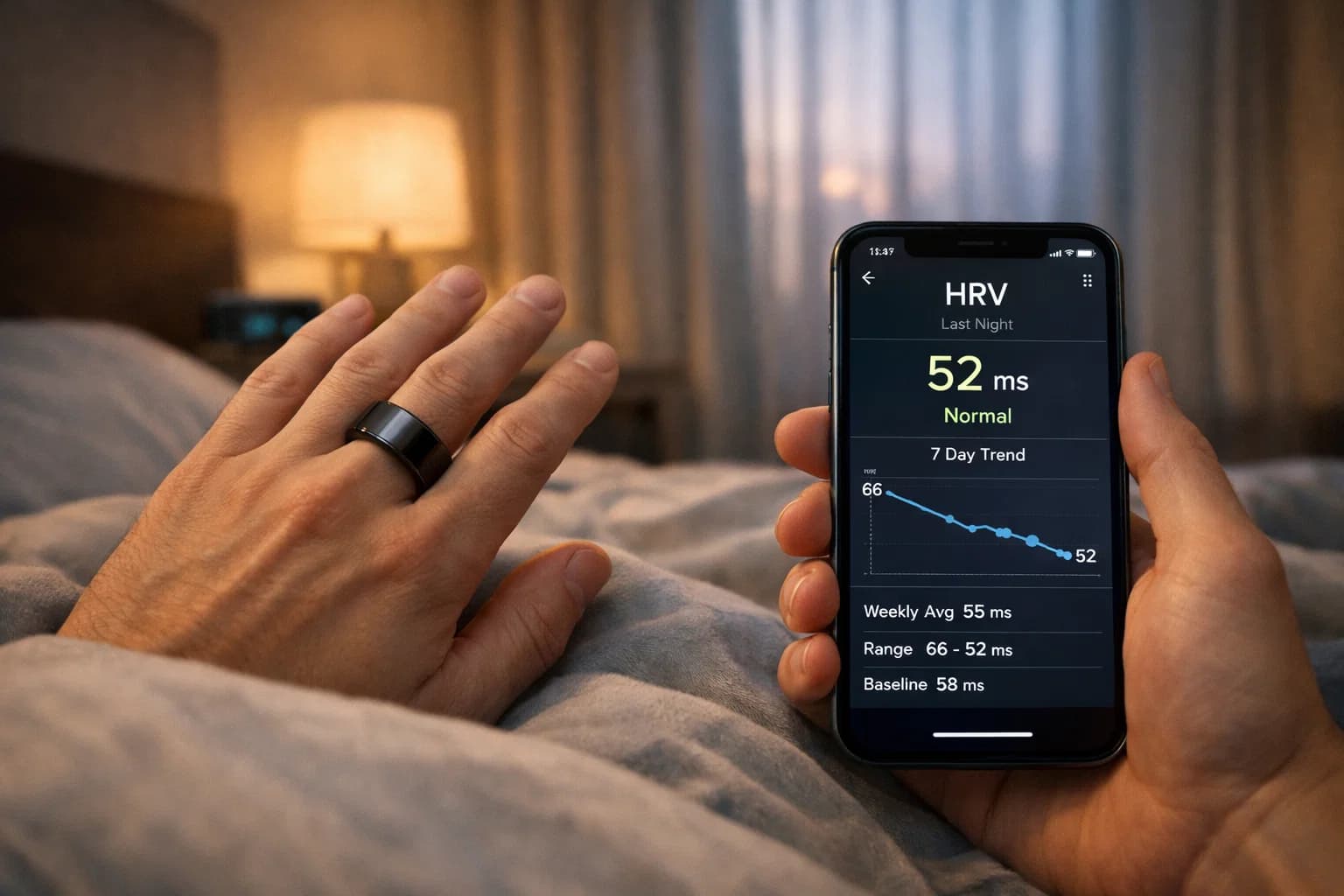
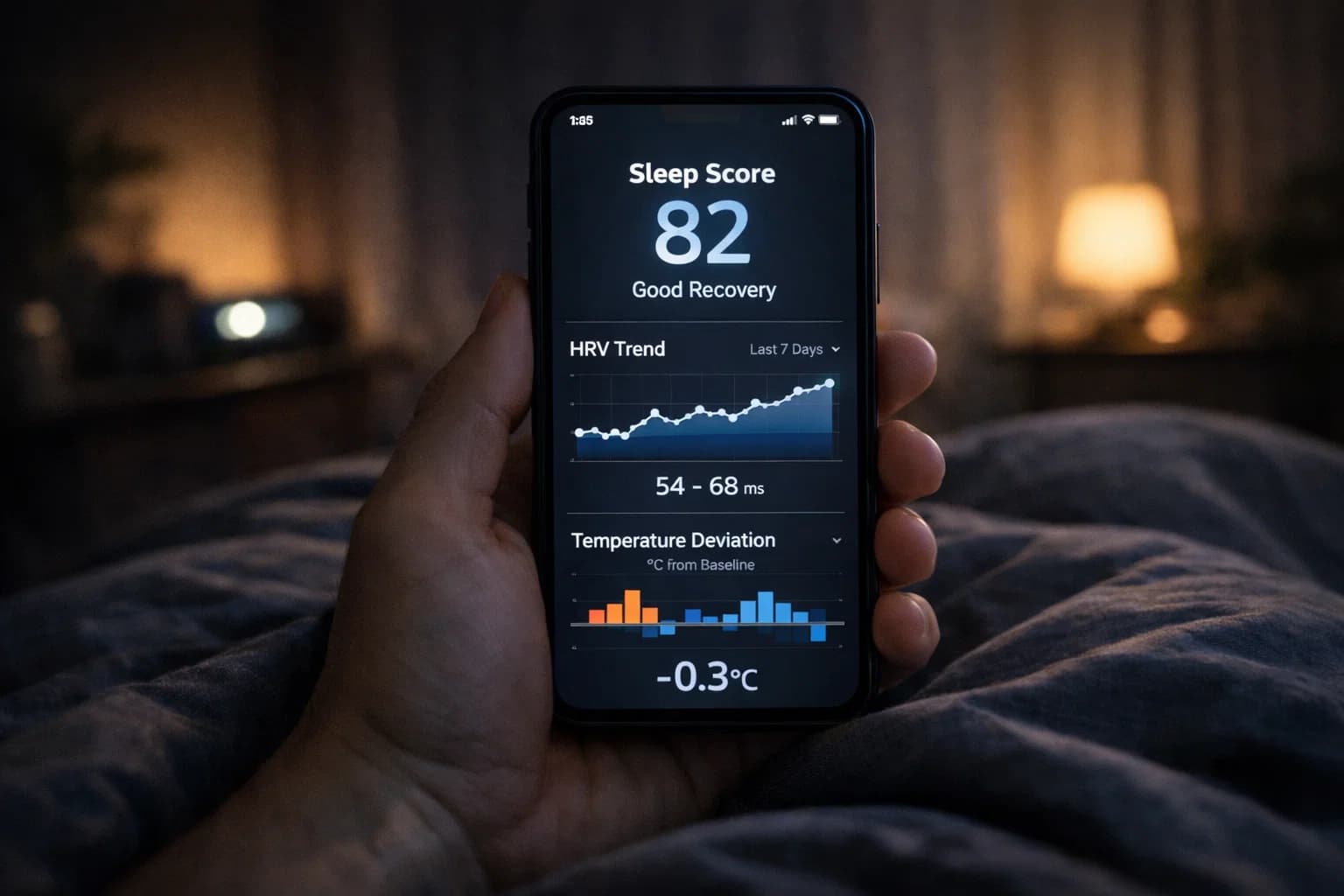
This is where rings win every time. Most people take their watch off at night. Smart rings stay on. That consistency is why their recovery data is so reliable.
In 2026, devices like RingConn Gen 2 introduced clinically validated sleep apnea tracking with over 90 percent accuracy.
If sleep is your priority, rings are simply built for this job.
The Hybrid Life (Using Both)
This is the biggest trend of 2026. You do not have to choose sides.
Samsung setup: Galaxy Watch plus Samsung Galaxy Ring. When both are worn, the system offloads part of the sensor workload to the watch, extending ring battery life by up to 30 percent and improving data accuracy.
Pro setup: Garmin for training and Oura Ring Gen 4 for recovery. We tested this in our Oura vs Ultrahuman comparison.
Subscription Reality Check
This matters more than people expect.
Oura requires a monthly subscription to unlock trends and insights.
RingConn and Ultrahuman are buy-once, own-forever.
See all options in our No-Subscription Smart Rings hub
Who Should Choose a Smartwatch?
Pick a smartwatch if:
You run or cycle seriously
You need built-in GPS
You love seeing stats mid-workout
You want notifications on your wrist
You use Apple Pay or Google Pay daily
You want active control over your training and your day.
Who Should Choose a Smart Ring?
Pick a smart ring if:
Sleep quality matters to you
You care about long-term recovery
You hate bulky wearables
You prefer passive tracking
You value long battery life
You want fewer screens in your life
You are a biohacker tracking temperature cycles
You want quiet awareness, not constant alerts.
Final Verdict
Choose a smartwatch if you want performance tools on your wrist.
Choose a smart ring if you want better sleep, deeper recovery insights, and freedom from daily charging.
And if you are like most people in 2026:
Use both.
Watch for performance.
Ring for health.
Still not sure? Start here: Best Smart Rings of 2026